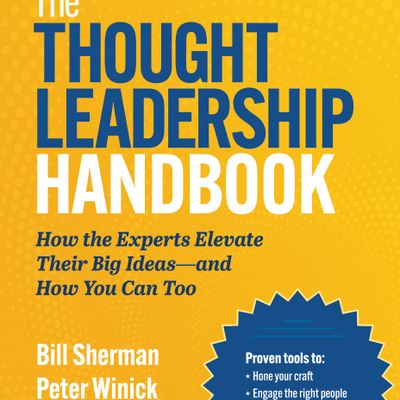
As lead author, I co-created The Thought Leadership Handbook with Peter Winick and Naren Aryal to solve a problem I'd seen repeatedly over 20 years of consulting: experts with deep domain knowledge consistently struggled to translate that expertise into influence and revenue. I noticed common patterns across thought leaders at every career stage:
* Expertise in their field did not equip them the distinct skills thought leadership requires.
* Why someone practices thought leadership more than how.
* If you have expert, imperfect knowledge, you have a duty to speak. However, you have no right to an audience. You must earn it.
In a noisy world, everyone loses when experts choose to stay silent.
My goal was to argue—and prove—that thought leadership deserves serious study as a discipline, not a punchline, and that it's a legitimate path to a well-lived life (eudaimonia).
To build the book's framework, I distilled 2.6 million words of podcast transcripts from over 650 interviews. If I'd printed that set of transcript out, the stack of paper that would have stood three feet tall.
We structured the book around the proprietary frameworks and tools we had previously kept behind our consulting paywall, then brought them to life with the real stories of vulnerability, struggle, and success that our podcast guests had shared with us over the years. This combination of proprietary methodology and authentic narrative was central to making abstract frameworks feel practical and human.
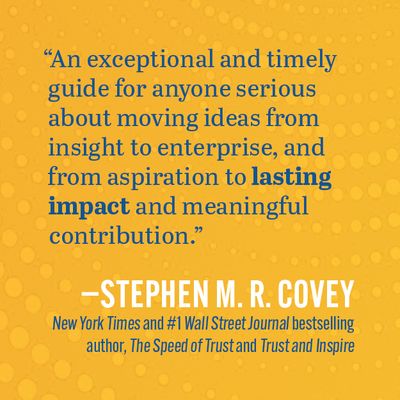
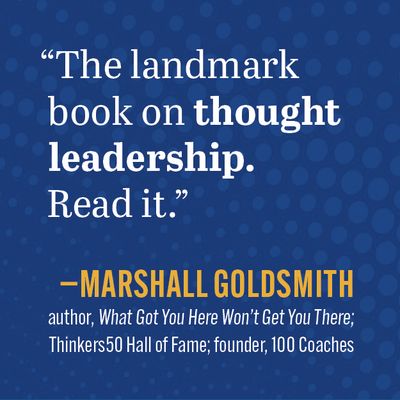
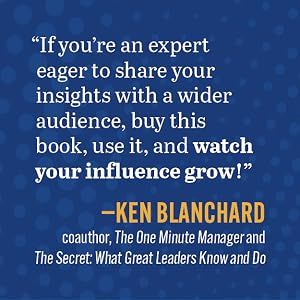
The book earned endorsements from sixty people across the thought leadership landscape: