
 Trove
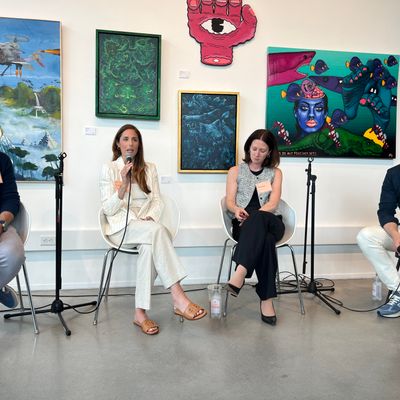
TroveRan Trove's first in-person event at Boston Tech Week 2026: a 50-person, no-pitch morning panel on covering what happens to the top tech talent in the age of AI through the lens of Boston's top people leaders. Built to put Trove on the map as the serious, content-first voice in the post-AI career conversation.
Trove is launching in Boston as part of a larger GTM strategy. At the time of writing this, we are still in beta. So when Boston hosted its first ever Tech Week, we knew we wanted to use that momentum and be part of the conversation.
As a pre-seed startup, we were not going to outspend the larger players in the city. So we focused on the one thing we could do better than anyone else: content.
The whole event hinged on landing a banging panel and asking useful, of the moment questions, which we did. The panel was comprised of: Mike Gutner, Chief People Officer at Toast. Sharon Pollard, VP of People and Culture at CloudZero. Kelley Morse, Chief People Officer at Bullhorn.
Three different company stages, so the audience got real range instead of three versions of the same answer. From there, we just needed to pick a cool venue that already fit our brand, and limit the room so the experience stayed intimate.
We called it "Where Does the Talent Go? Making Sense of Tech Careers in the AI Shakeup."
The quick stats:
- Over 150 RSVPs. Waitlist closed early. Attendance at capacity.
- One panel, one room, one topic, one hour
- 3 panelists plus a moderator. No exhibition table. No paid speaker slots. No company pitches.
A few notes on the playbook:
1. Do less. And do less, better.
Pick 2-3 things you can do better than everyone else and optimize for those. For this event the bet was content. The panel had to be worth the seat on its own merit, so every nice-to-have that did not serve the content got cut.
2. Pick a venue that already fits your brand.
I love transforming a space, but transformation costs money you do not have at pre-seed. So pick a venue that is already a vibe. FPAC was a purposeful choice.
3. Let the speakers and attendees shape the content.
I had an idea of what we would want to talk about, but to create magical content you need to listen. We asked our expert speakers and attendees what was top of mind for them. Then you know you are adding value, not guessing. Plus it's a great and authentic interaction point with your guests before the event (which also helps with attribution at a free event).