
Hatch Sleep Clock (HSC) Launch Research
Principal UX Researcher | Product & Brand Discovery
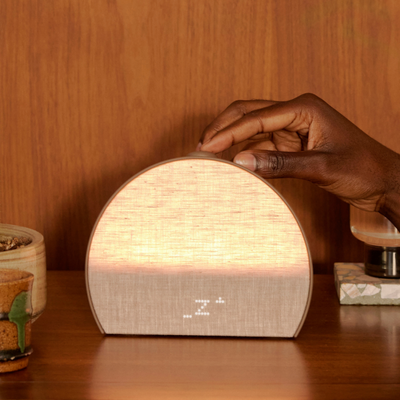
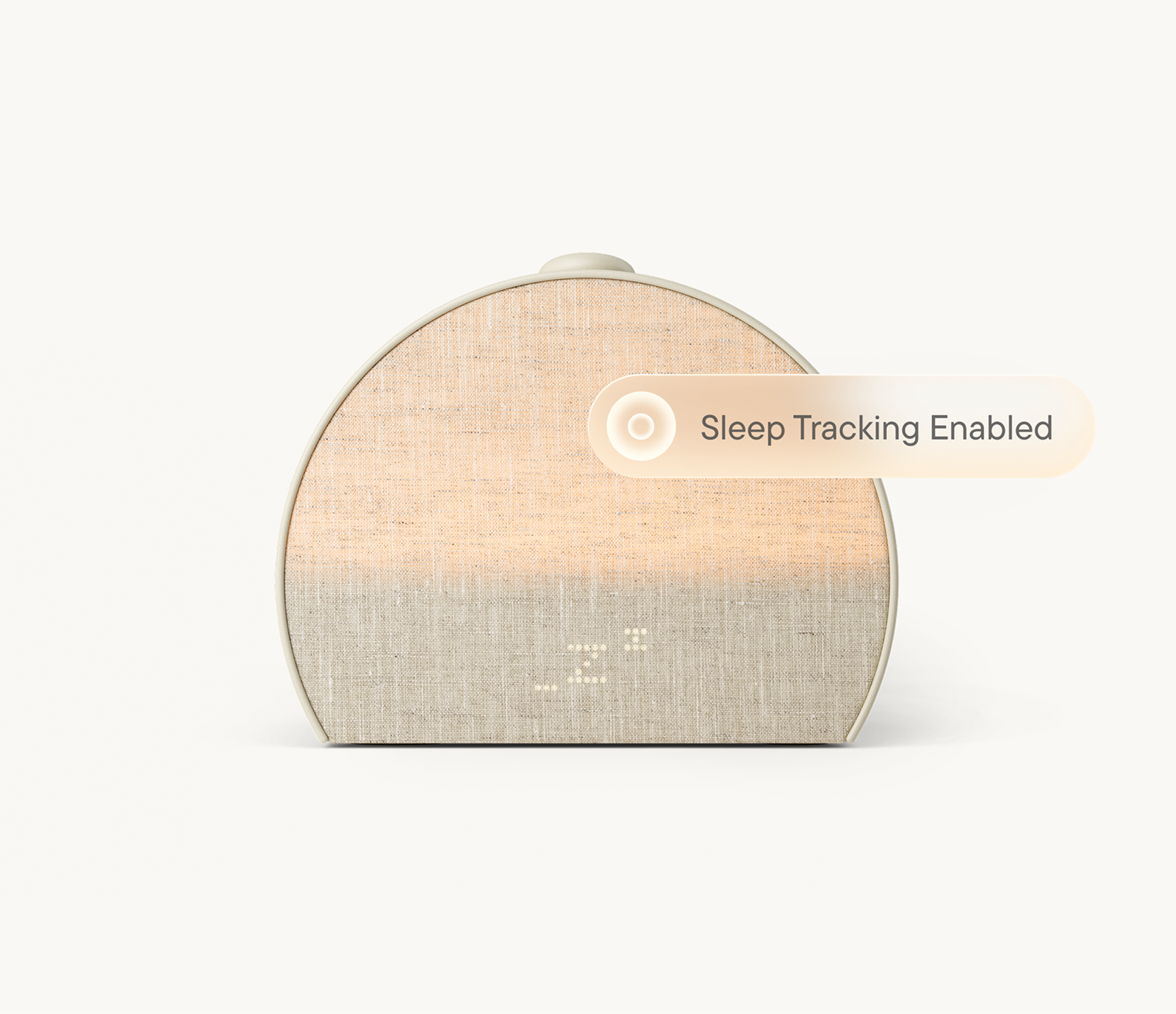
New category for Hatch: HSC expands the adult sleep line (building on Restore 3) into contactless sleep tracking, requiring research to establish clear product positioning and differentiation from existing offerings and competitive market landscape at launch.
Overview
Starting state: HSC sought to validate positioning and product differentiation from Restore 3 ahead of new product/new category launch. I led two parallel research programs that shaped HSC's positioning, messaging clarity, and brand direction. This research ensured the product's value proposition was distinct from Restore 3 and drove concrete decisions across product pages and creative strategy, translating customer insights into launch-ready positioning and visual identity.
Research Programs & Impact
HSC PDP (Product Detail Page, on Hatch homepage) Comprehension & Positioning Study
Round 1: Moderated dScout Live (n=22) testing PDP navigation clarity, 'Sleep Sense' terminology comprehension, and A/B layout comparison (between-subjects, 11 per cohort)
→ Decision impact: Layout findings directly informed PDP design refinements; terminology testing validated Sleep Sense positioning language across customer journey
Round 2: Async dScout Missions (n=20, 10M/10W) measuring comprehension, conviction, and purchase intent. Worked with creative team to test comprehension and clarity of product positioning and customer value proposition via compressed survey (~7 items) and native card sort (device-included vs. subscription content)
Impact: Comprehension and conviction metrics validated customer value prop messaging, site content, and differentiation from Restore 3 for pre-launch creative
Methodological Rigor That Mattered
Between-subjects A/B design: Non-negotiable for layout testing; caught navigation issues and behavior contamination that within-subjects designs would have missed
Instrument compression: Prioritized fewer than 8 questions to maximize completion and response quality; enabled faster decision cycles without sacrificing signal
Platform mastery: Full dScout workflow ownership (moderated Live, async Missions, native card sort) reduced programming friction and enabled mid-project iteration
Creative partnership: Close collaboration with creative team on positioning comprehension ensured research questions mapped directly to pre-launch messaging needs and stakeholder objectives
Key Decisions Driven by Research
PDP layout and information architecture refinements, customer perception of visuals/product photos (Round 1)
Sleep Sense terminology messaging and placement strategy
Pre-launch messaging validation for customer value proposition clarity
My Research Philosophy
Iterative, responsive and pragmatic. Good research serves decision-makers and respects customers. Between-subjects rigor, aggressive instrument compression, and cross-functional alignment with creative teams drive outcomes that ship. Every study should surface actionable recommendations tied to a concrete decision or stakeholder impasse.
 Hatch
Hatch