
This event was the first time my personal interests and professional experience were able to coalesce and I loved it. Age Of_ was conceived out of that overlap. This event was the first (and at the time only) SF Design Week event around aging and it was graciously hosted at IDEO's SF HQ.
I had been studying co-design methods with and building products for older adults for nearly a decade and through conversations with Rahmin Eslami and Elysia Syriac (the other folks in Age Of_), identified an opportunity to shift the conversation around aging and design. While most industry dialogue focused narrowly on accessibility and decline, the Age Of_ team recognized a design gap (and a market opportunity) to explore aging through lenses of identity, culture, and aspiration. I conceived the idea to launch "Age Of_" as a flagship workshop at SF Design Week, bringing together designers to reimagine what it means to design for this demographic.
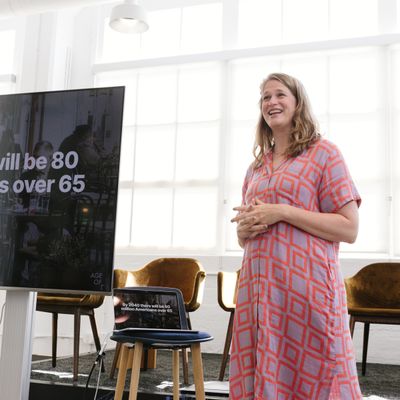
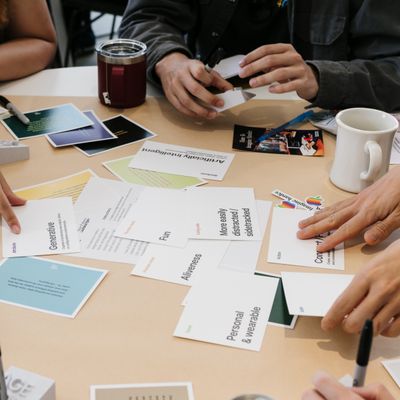
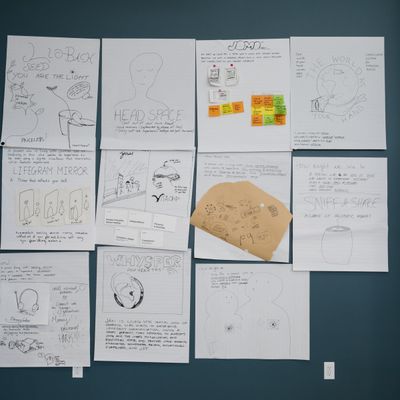
Our team was multidisciplinary: experience and community designer, creative director, and strategic forecaster, Julian Bleecker. Together we built an aging-specific curriculum and facilitation guide, adapting Julian's own design fiction techniques into a compressed 90-minute workshop format. The methodology centered on a "mad lib" style exercise using prompt cards across five dimensions (living with, human need, form, action, and attribute) that guided teams to brainstorm solutions for older adults through exploratory prototyping. On the day of the event, I delivered a baseline presentation on opportunities in aging design and guiding participants through the exercises and prototype development.
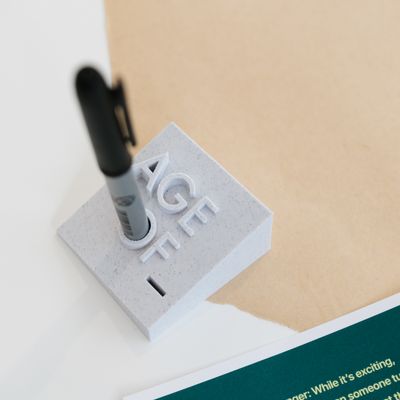
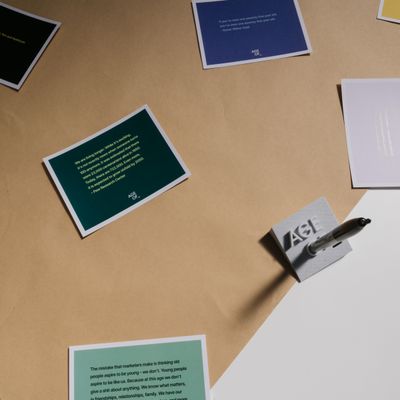
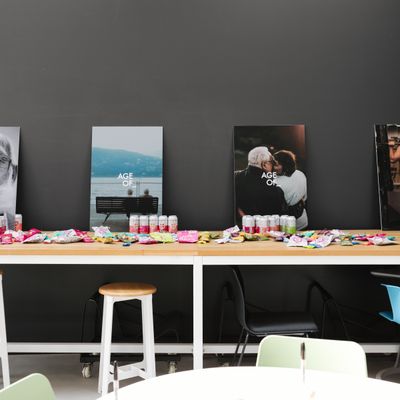
We 3D-printed branded pen holders for the requisite brainstorming sharpies and printed some inspirational quotes around aging on cards to get brains warmed up. There were beautiful images of older adults doing every day activities to set the context of the space.
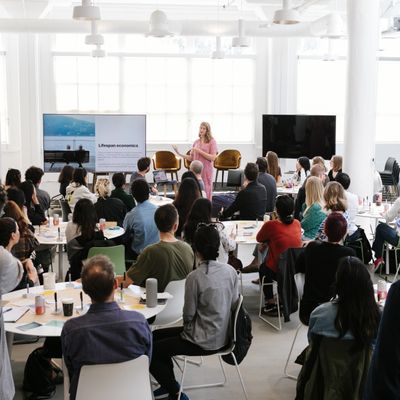
The workshop exceeded all expectations, drawing over 70 participants against a planned capacity of 25. Feedback was overwhelmingly positive, with several participants noting it was the first time they'd encountered aging discussed through a lens of possibility rather than limitation. The room came alive during both the introductory presentation where the universal relevance of aging resonated across the audience and during the team share-outs. The curriculum we developed was intended to become the foundation for an ongoing workshop series, establishing a new framework for how designers approach this underserved and high-potential market.