

At Native Design, this project was the first opportunity in my career to own primary research end-to-end as a design strategist. The brief from our POS client was substantive: their internal design team was rolling out new capabilities across security, usability, and accessibility, and they needed to establish a new design language that would enable progression across the entire family line for visual consistency, improve user experience, and evolve their design principles. They came to Native for the research foundation to make those decisions with confidence.
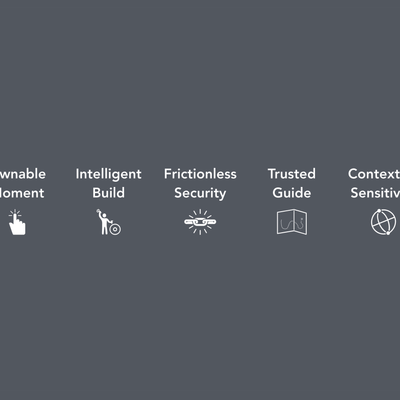
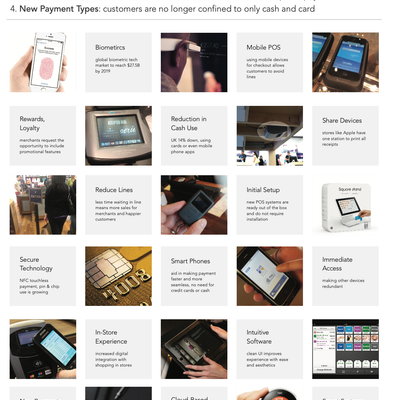
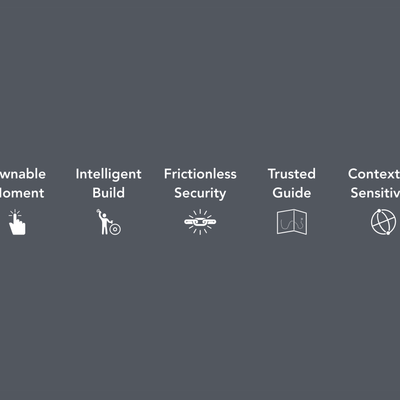
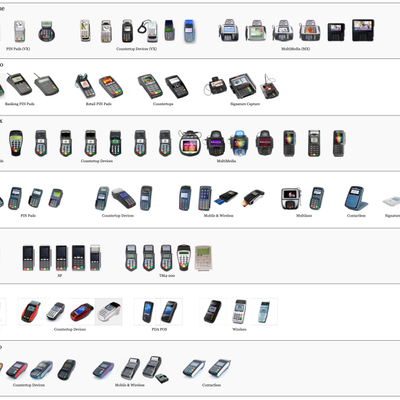
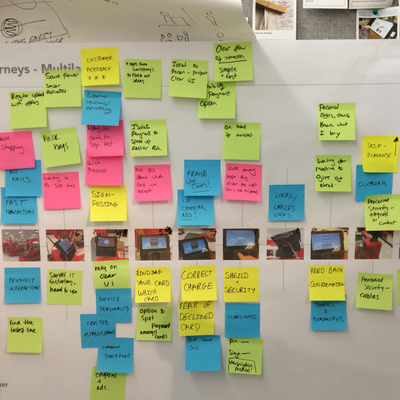
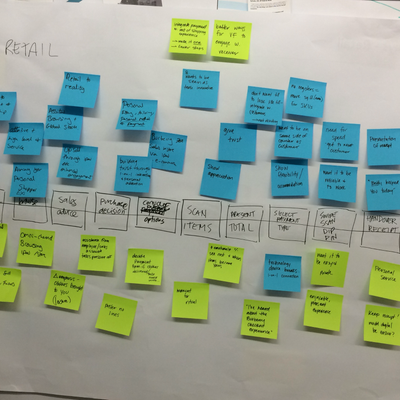
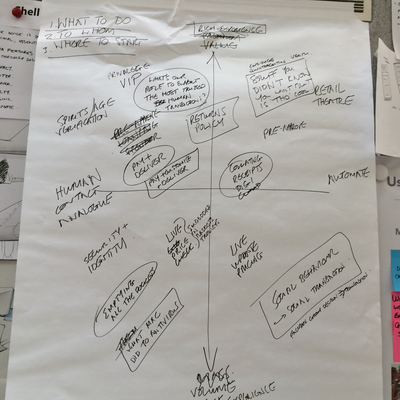
I led a six-month research initiative across the point-of-sale ecosystem, combining stakeholder, customer, and in-store interviews with market trend analysis. I then synthesized the findings into a strategic framework that moved the design team from raw insights to prioritized opportunity areas and clear execution.
I was the only researcher and strategist on the team, working alongside a project manager, a biz-dev lead, a UI/UX designer, and three industrial designers. That structure meant I owned the full research arc: scoping research questions with the client, recruiting and interviewing participants, going out in field, doing the analysis, and translating findings into something the designers could pick up and run with.
This project shaped how I think about strategy work to this day. It was the first time I felt the full weight of being the bridge between users and the design team, making sure their voice didn't get lost between research deck and final product. The methodology I used here (qualitative interviews → thematic synthesis → applied framework, layered with market and tech context) became a template I've returned to across nearly every project since.
My role: Sole design strategist and researcher (research design, fieldwork, market/tech synthesis, framework, design team handoff).
 Native Design


