

Blue Moon was opening its first tasting room and restaurant in Denver, and VBP Orange was brought in to define the visitor experience. I was one of two strategists on the project; I was the one working day-to-day with the designer to actually shape the experience — narrative, journey, moments, and the connective tissue between brand and place.
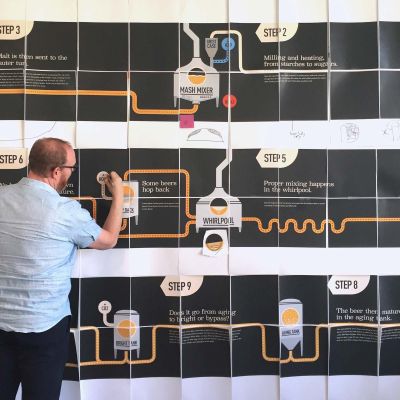
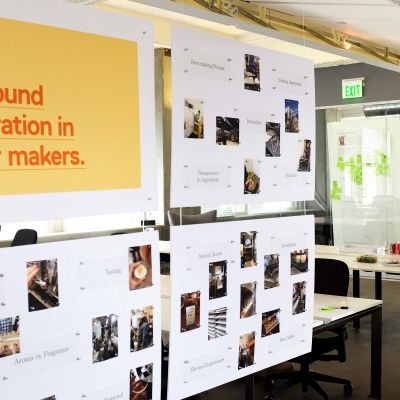
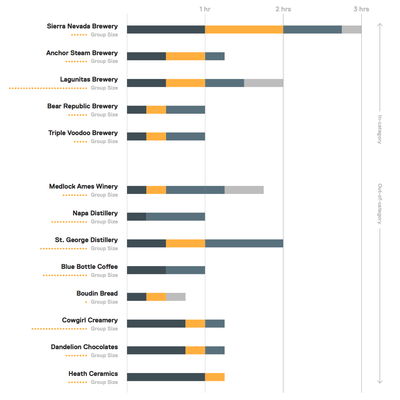
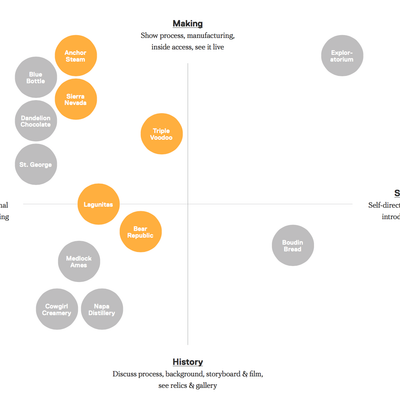
In the discover phase, we benchmarked the visitor experience against a wide field of comparable destinations (breweries, distilleries, wineries, and craft food makers from Sierra Nevada to Heath Ceramics) mapping each on dimensions like tour duration and group size, and on a positioning matrix of Tour Guide ↔ Self-Guide × Making ↔ History. That gave us a clear read on where Blue Moon should sit and what tensions it would have to resolve to differentiate.
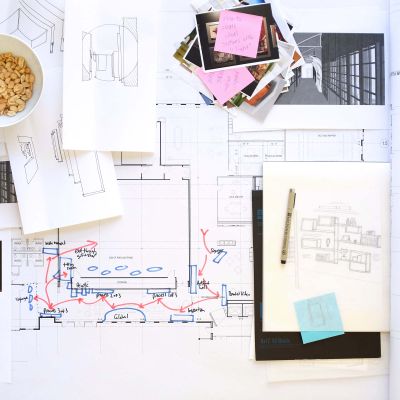
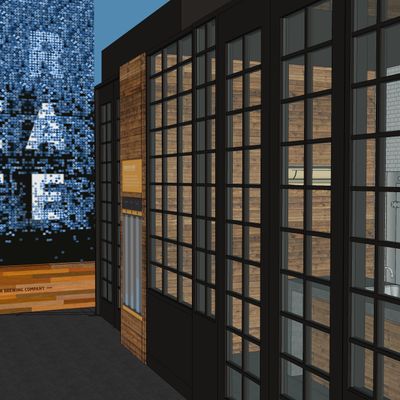
What made this project different was my background. I came in with architectural training and over six years of architecture practice (Bohlin Cywinski Jackson, Pentagram) before moving into product and brand strategy. That meant I wasn't just visualizing the space conceptually, I could inhabit it and allow the team to as well. I built the building in CAD to understand how a body moves through a sequence of rooms and pressure-test what a designer's render would actually feel like at human scale. It changed the texture of the proposal: more grounded, more specific, more credible to a client about to commit real capital to a real building. The bar of the work went up because of it. We weren't just pitching a concept, we were proposing a place you could walk through to inhabit the brand.
And it was built! Blue Moon's Denver tasting room opened, and the visitor experience strategy we developed shaped what guests actually walked into.
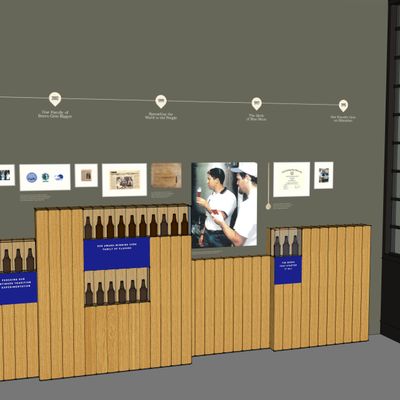
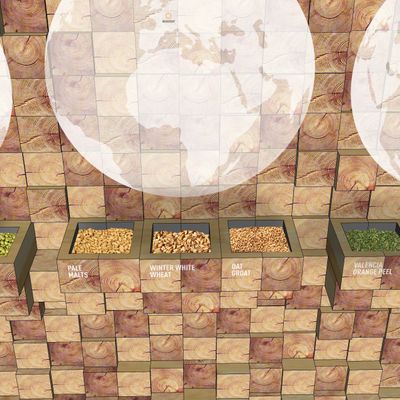
Strategy doesn't ship until someone makes it tangible (or in this case, visible). I translated the strategic direction into renderings concrete enough that the client could see the answer, "take the tour" to defend it internally, and rally their team around it, which is how alignment turned into a build.
This is one of the projects I point to when I talk about how my architecture background quietly compounds the rest of my practice: strategy gets sharper when you can think about people in space, not just on screens. The design process adjusts and adapts across altitudes.
My role: Strategist, day-to-day partner to the designer (competitive landscape, positioning, journey & spatial experience strategy).
 VBP Orange